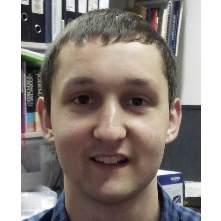
Professor Thomas A. Bowden
Structural biology of antibodies and viral glycoproteins

Glycoproteins feature on the surface of many enveloped viruses, and as such, are attractive targets for therapeutic design. Through the application of techniques in structural biology, immunology, and cell biology, our group aims to harness knowledge of glycoprotein structure and function to inform upon the rational development of therapeutics and preventive medicines. We have a particular interest in the development and characterisation of neutralising and protective monoclonal antibodies and look to apply the insights gleaned from our biophysical studies to identify sites of vulnerability that may be targeted through rational vaccine design.
Our team
-

Nate Chapman
Post Doctoral Research Associate
-
Shan Ding
Post Doctoral Research Associate
-
Isabel Elliott
Post Doctoral Research Associate
-
Re'Em Moskovitz
Post Doctoral Research Associate
-
Guido Paesen
Post Doctoral Research Associate
-
Sophia Peter
Academic visitor
-
Nichakorn Pipatpadungsin
Student
-
Robert Stass
Post Doctoral Research Associate
-
Rachel Stirling
Student